Safety in Newborn Photography: Protecting Your Baby's Gentle Start
The world of newborn photography is filled with softness, innocence, and wonder. It is a chance to freeze time and preserve your baby's earliest, most delicate moments.
However, behind every serene portrait, there is a priority that must always come first: your baby’s safety.
Many parents are surprised to learn that there are currently no legal safety regulations or licensing requirements in the newborn photography industry. This means anyone with a camera can market themselves as a newborn photographer—without any formal training in infant anatomy, airway protection, or safe handling.
This reality makes choosing an educated, experienced photographer one of the most crucial decisions you will make for your baby’s first weeks.
What to Prioritize Over Price
While it's natural to budget for baby expenses, choosing a photographer based on price alone can compromise safety. An experienced professional invests heavily in continuous infant safety education, safe posing techniques, CPR training, and specialized equipment.
When searching for the right photographer to handle your newborn, here is what to look for:
1. Specialized Safety & Posing Credentials
- Anatomical knowledge: A trained photographer understands a newborn's delicate joints, circulation, and airway positioning. They will never force a baby into a pose that causes strain or discomfort.
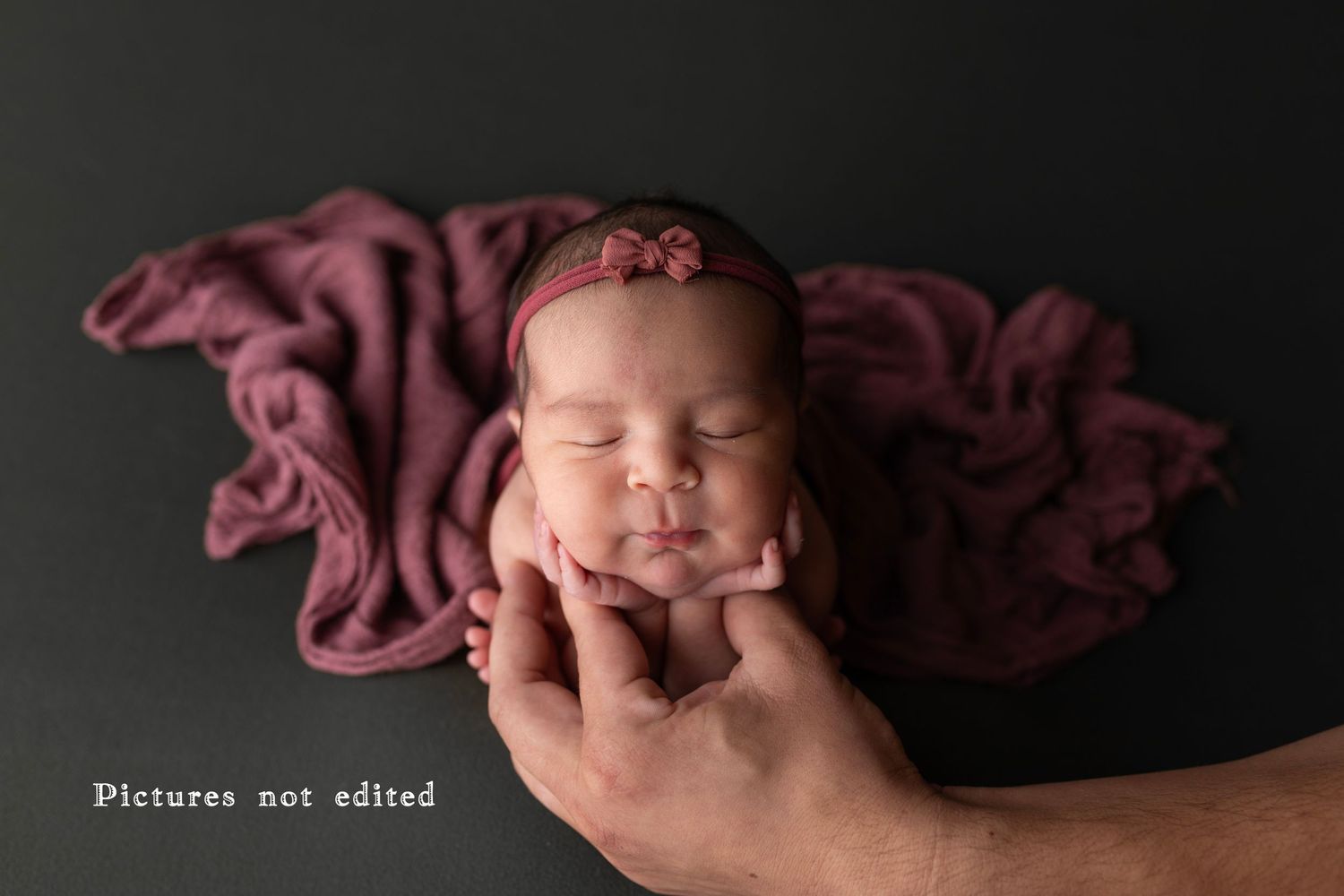
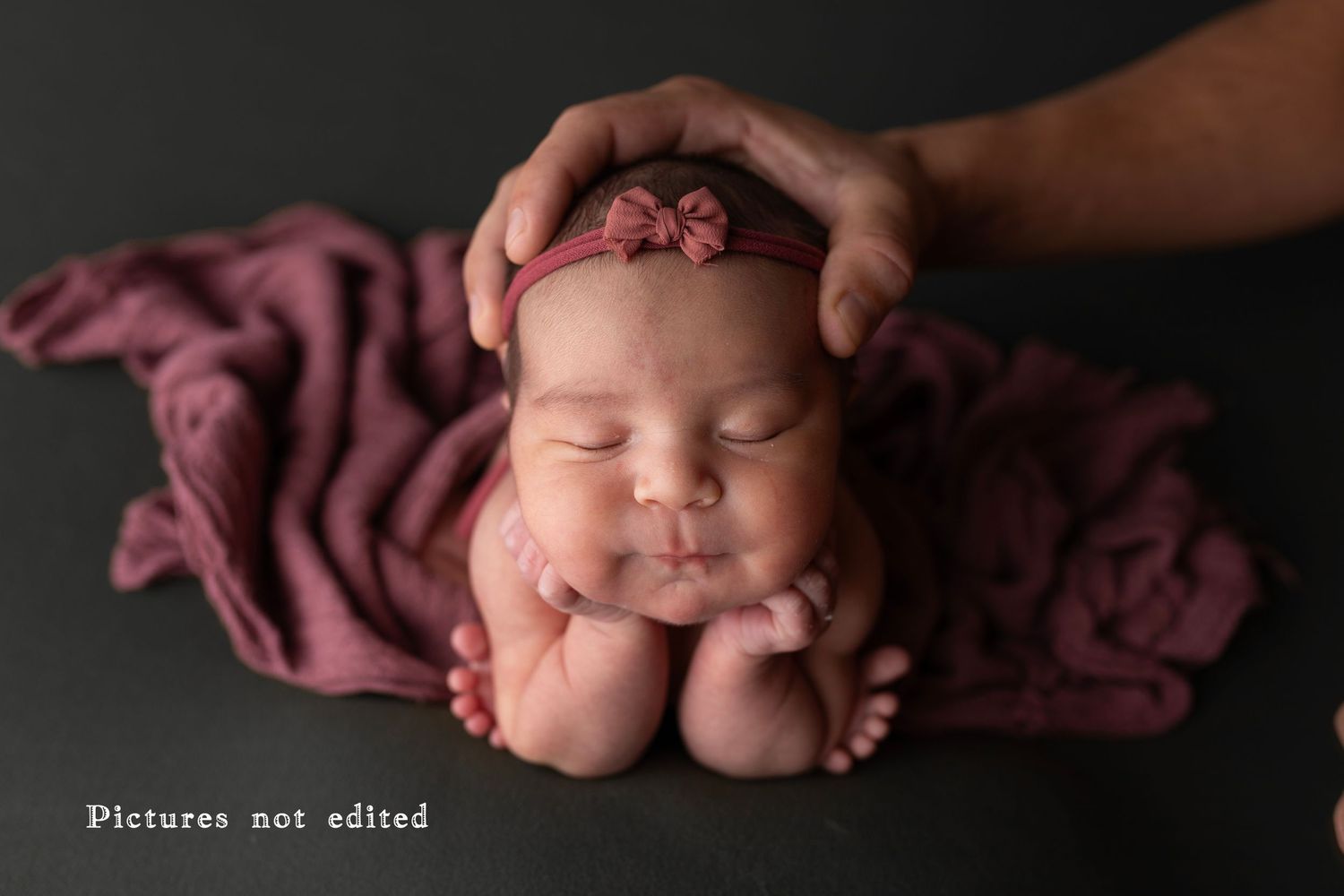
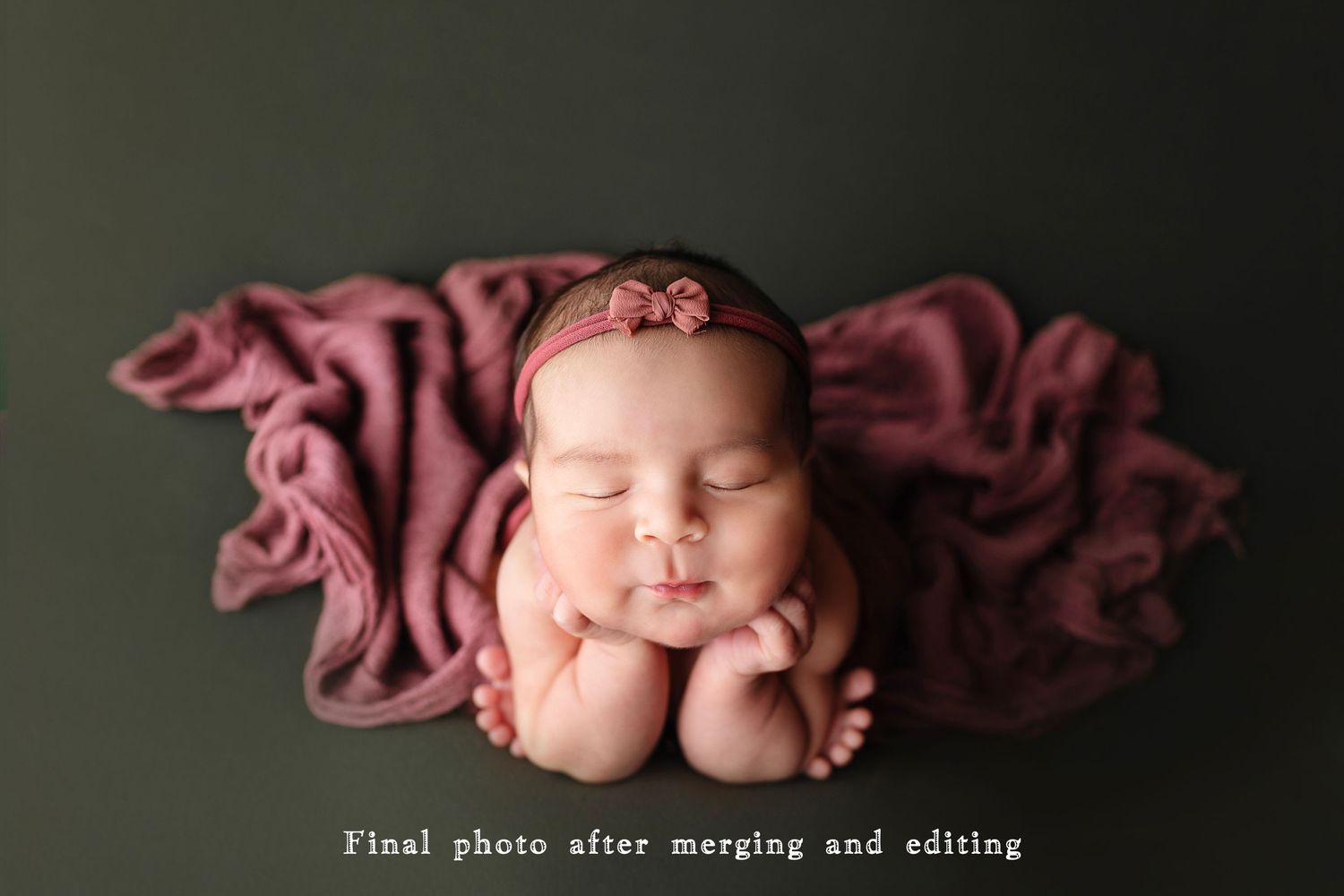
- Composite posing expertise: Complex poses (like the iconic "froggy pose") should always be created as a composite image—combining two separate, fully supported photos in editing software so the baby is never left balancing on their own.
2. A Clean, Sanitized Studio Environment
- Hygiene standards: Every prop, wrap, surface, and blanket that comes into contact with your baby should be thoroughly washed and sanitized with non-toxic, baby-safe detergents before every session.
- Warmth and comfort: The studio should be kept at a warm, precise temperature to ensure a naked or wrapped baby stays comfortable, sleepy, and calm.
3. Listening to Baby's Cues & Limits
- Baby leads the session: A safe session adapts to your newborn—not the other way around. If a baby shows signs of resistance, fussiness, or discomfort during a pose, a professional will immediately shift to a natural, comfortable posture.
4. Clear Communication & Parental Involvement
- Open dialogue: Your photographer should always discuss any health concerns, skin sensitivities, or birth details prior to the session.
- Peace of mind: Parents should always feel welcome to sit close, observe, and relax throughout the session knowing their baby is in gentle, expert hands.
Safety is Always Worth the Investment
The warmth and joy of your baby’s first weeks deserve to be captured forever, but never at the expense of their well-being.
If you find a trained, safety-focused photographer whose work you love but who is slightly above your budget, ask if they offer flexible payment plans or custom registry options!
While session pricing may vary, your baby’s safety should always remain priceless.
The warmth of those early moments with your newborn should be preserved forever through photography, but not at the expense of their safety and comfort. Prioritizing safety above all else ensures that your baby's introduction to the world of photography is not only memorable but secure. If you decide to hire a photographer who charges more than you're willing to pay, talk to her/him and ask about payment plans. Remember that while prices may vary, the well-being of your little one should remain constant as the guiding principle in your choice of a newborn photographer.